Recovery Ransomware Services Lockbit 5.0
What is LockBit 5.0 Ransomware ?
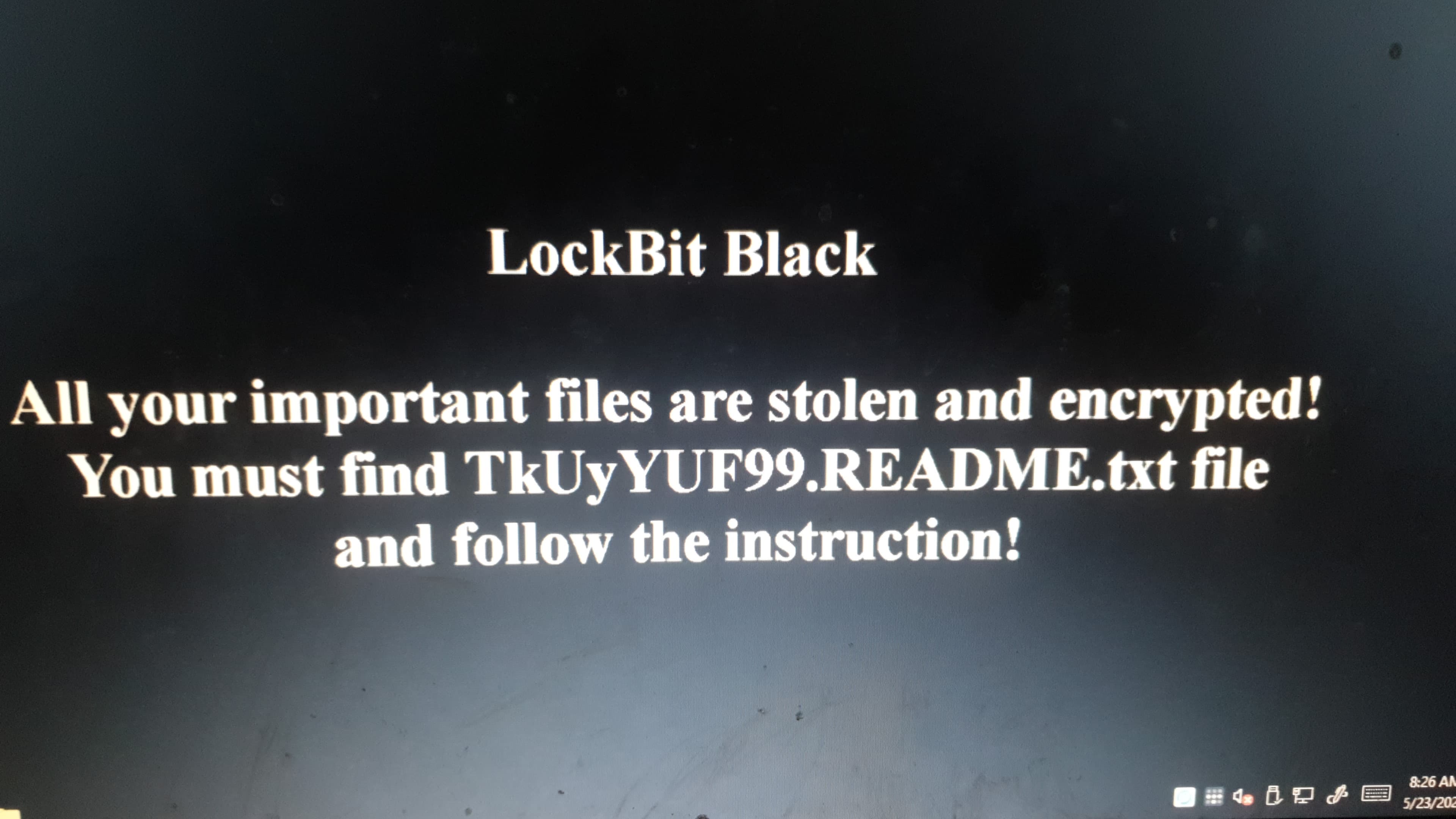
LockBit 5.0 is a name that has been used to describe the latest variant of the LockBit ransomware family, one of the most notorious Ransomware-as-a-Service (RaaS) operations in the world. However, it is important to note that there is ongoing controversy regarding the authenticity of "LockBit 5.0", as some samples circulating in the wild are believed not to originate from the original LockBit operators.
- What is LockBit ?
LockBit is a ransomware family that first emerged around 2019 and quickly became one of the world's most active ransomware groups by operating under the Ransomware-as-a-Service (RaaS) model.
In this model :
- Developers create and maintain the ransomware.
- Affiliates carry out attacks against victims.
- Ransom payments are shared between the operators and affiliates.
LockBit is well known for :
- High-speed file encryption
- Automated lateral movement across networks
- Support for Windows, Linux, and VMware ESXi environments
- Double extortion tactics, where data is stolen before encryption
- What is LockBit 5.0 ?
The term LockBit 5.0 began appearing after Operation Cronos in February 2024, an international law enforcement operation that significantly disrupted LockBit's infrastructure by :
- Seizing LockBit servers
- Taking control of its data leak website
- Arresting several affiliates
- Identifying members of the core operation
Following the operation, the LockBit administrator known as LockBitSupp claimed that a new version would be released. While discussions initially centered around LockBit 4.0, references to LockBit 5.0 also began appearing.
However :
- There is currently no broad consensus within the cybersecurity community confirming that LockBit 5.0 is an official release developed by the original LockBit operators.
- Some malware samples using the "LockBit 5.0" name are suspected to have been created by unrelated threat actors attempting to leverage the LockBit brand.
- Reported Characteristics of LockBit 5.0
Some reports have associated LockBit 5.0 with the following capabilities:
- Faster encryption performance
- Enhanced anti-analysis techniques
- Improved EDR/XDR evasion
- Support for both Windows and Linux platforms
- Enhanced lateral movement capabilities
- Updated encryption algorithms
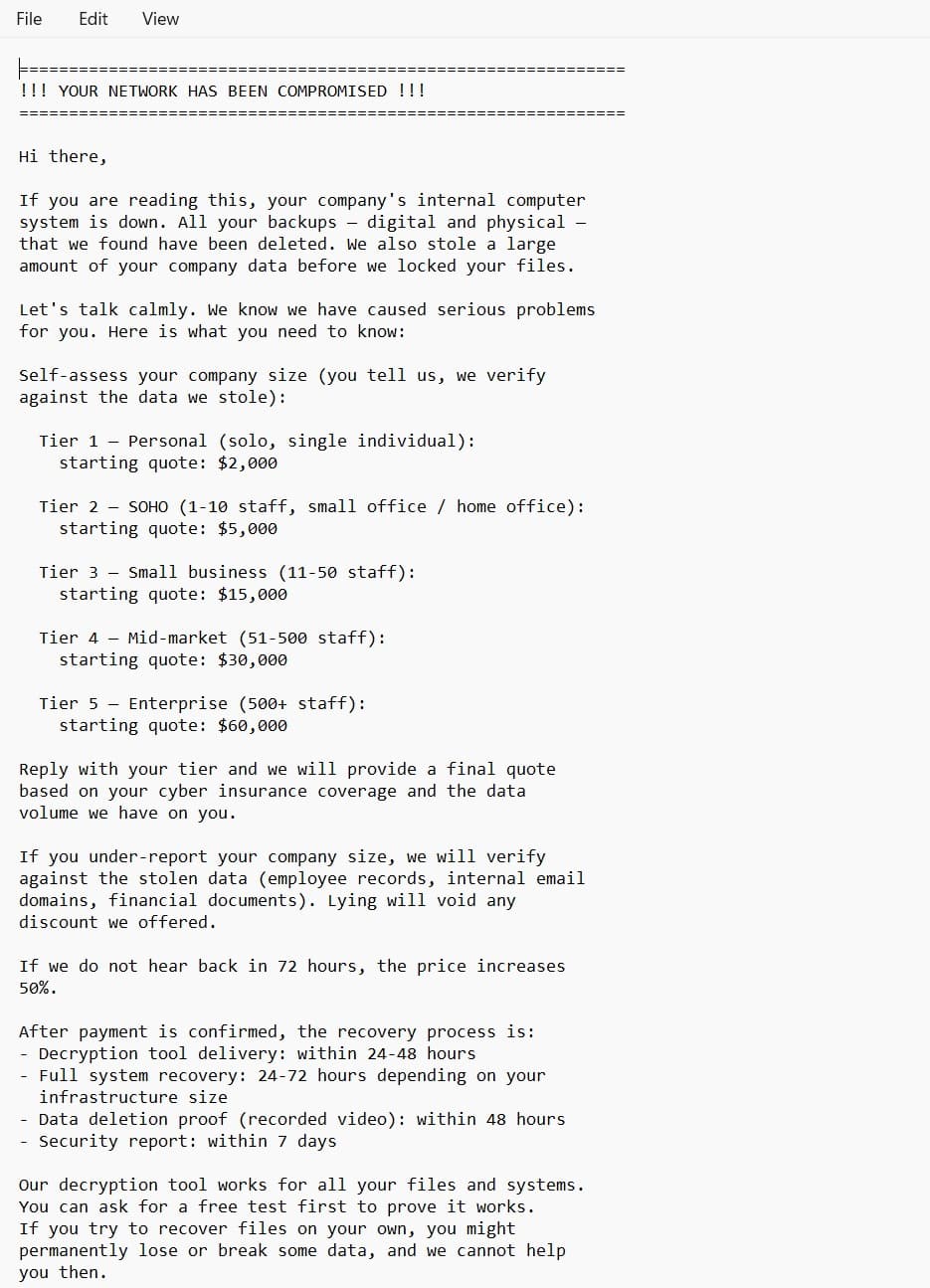
- Modified ransom note format
- Support for virtualized environments such as VMware ESXi and Hyper-V
Because the authenticity of LockBit 5.0 has not been independently verified, these characteristics should not be considered officially confirmed.
- Attack Methodology
Like previous LockBit variants, attackers typically gain initial access through:
- Compromised VPN or RDP credentials
- Exploitation of vulnerabilities in internet-facing devices (such as Fortinet, SonicWall, and Citrix appliances)
- Phishing campaigns
- Weak or missing multi-factor authentication (MFA)
- Initial Access Brokers (IABs)
Once inside the environment, attackers commonly:
- Perform reconnaissance
- Harvest credentials
- Move laterally across the network
- Attempt to disable security solutions
- Exfiltrate sensitive data
- Encrypt servers and endpoints
- Deploy ransom notes
- Encryption Methods
LockBit variants generally use hybrid encryption techniques combining :
- AES or ChaCha20 for high-speed file encryption
- RSA-2048/RSA-4096 or Elliptic Curve Cryptography (ECC) to encrypt the symmetric encryption keys
This hybrid cryptographic approach combines the speed of symmetric encryption with the secure key management provided by asymmetric cryptography.
- Current Status
Although Operation Cronos significantly disrupted LockBit's infrastructure, ransomware activity associated with the LockBit name continues to emerge.
Cybersecurity researchers believe that:
- Some attacks may still be conducted by former LockBit operators or affiliates.
- Others may involve entirely different threat actors using the LockBit name to exploit its reputation and intimidate victims.
For this reason, any claims regarding LockBit 5.0 should be validated through technical malware analysis and reliable threat intelligence before being considered authentic.
- Recommended Mitigation Measures
Organizations can reduce their exposure to LockBit and similar ransomware threats by:
- Applying security patches promptly, especially for internet-facing systems
- Enforcing multi-factor authentication (MFA) for VPNs, RDP, and privileged accounts
- Implementing the principle of least privilege
- Segmenting critical networks
- Maintaining offline or immutable backups and regularly testing restoration procedures
- Deploying Endpoint Detection and Response (EDR) or Extended Detection and Response (XDR) solutions
- Continuously monitoring logs and network activity to detect lateral movement and data exfiltration
- Conclusion
LockBit remains one of the most dangerous ransomware families in the cyber threat landscape. However, the designation "LockBit 5.0" has not yet been definitively established as an official release by the original LockBit operators. Until credible technical evidence confirms its authenticity, organizations should treat references to LockBit 5.0 with caution and rely on verified threat intelligence when assessing associated risks.
- Contact Us Immediately
Contact us immediately to recover files encrypted by ransomware attacks.
- Why Recovery Ransomware Indonesia Is Different From Other Vendors
- Specialized in ransomware recovery and cybersecurity
(not just general IT services) - Combines local operational experience with global cybersecurity standards
- Provides comprehensive solutions including:
- ransomware analysis
- file recovery
- negotiation assistance
- digital forensics
- prevention and hardening
- Transparent and professional in handling ransomware incidents, unlike certain parties making unrealistic claims involving “quantum server” and "reverse engineering" decryption techniques or acting merely as middlemen without real technical capability.